


Nutrition
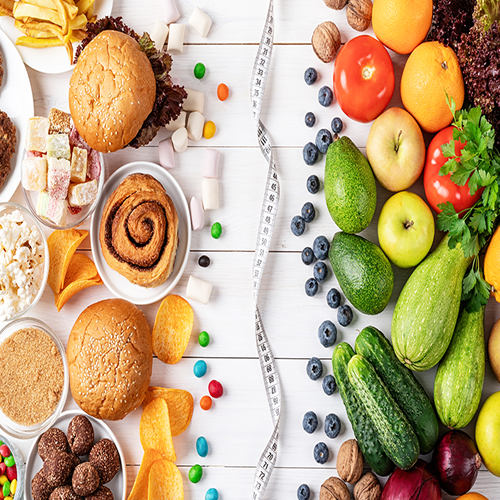
Healthy vs Unhealthy Foods: A Comparative Guide with Examples
In the world of nutrition, the terms 'healthy' and 'unhealthy' are often tossed around, but what do they truly mean? Understanding the difference between healthy and unhealthy foods is crucial for making informed dietary choices. This post will explore these differences with clear examples to guide you in your everyday eating decisions.
Defining Healthy and Unhealthy Foods:
- Healthy Foods:** These are foods that are nutrient-dense, meaning they are rich in vitamins, minerals, and other nutrients beneficial for our bodies, while being low in unnecessary sugars, sodium, and unhealthy fats.
- Unhealthy Foods:** Often high in calories and low in nutrients, these foods contain excessive amounts of sugar, saturated fats, and sodium, offering little to no benefit to our health.
Comparative Examples:
1. Fruits vs Sugary Snacks:
- Healthy: Fresh fruits like apples, berries, and oranges.
- Unhealthy: Snacks high in added sugars like candy, cookies, and sugary cereals.
2. Whole Grains vs Refined Grains:
- Healthy: Whole grains like brown rice, quinoa, and whole wheat bread.
- Unhealthy: Refined grains like white bread, pastries, and white rice.
3. Lean Proteins vs Processed Meats:
- Healthy: Lean proteins like grilled chicken, tofu, and legumes.
- Unhealthy: Processed meats like sausages, bacon, and deli meats.
Why the Distinction Matters:
The types of foods we eat have a direct impact on our health. Consuming a diet rich in healthy foods can reduce the risk of chronic diseases like heart disease, diabetes, and obesity, while a diet high in unhealthy foods can increase these risks.
Tips for Choosing Healthier Options:
- Read Labels: Pay attention to the nutritional information on food packaging.
- Cook at Home: Preparing meals at home gives you control over ingredients.
- Moderation is Key: It's okay to indulge in your favorite treats, but do so in moderation.
- Increase Fruit and Vegetable Intake* Aim to fill half your plate with fruits and vegetables at each meal.
Conclusion:
Understanding the difference between healthy and unhealthy foods is the first step in making better food choices. By opting for nutrient-dense foods more often and enjoying treats in moderation, you can enjoy a varied, satisfying diet that's good for your health.
Defining Healthy and Unhealthy Foods:
- Healthy Foods:** These are foods that are nutrient-dense, meaning they are rich in vitamins, minerals, and other nutrients beneficial for our bodies, while being low in unnecessary sugars, sodium, and unhealthy fats.
- Unhealthy Foods:** Often high in calories and low in nutrients, these foods contain excessive amounts of sugar, saturated fats, and sodium, offering little to no benefit to our health.
Comparative Examples:
1. Fruits vs Sugary Snacks:
- Healthy: Fresh fruits like apples, berries, and oranges.
- Unhealthy: Snacks high in added sugars like candy, cookies, and sugary cereals.
2. Whole Grains vs Refined Grains:
- Healthy: Whole grains like brown rice, quinoa, and whole wheat bread.
- Unhealthy: Refined grains like white bread, pastries, and white rice.
3. Lean Proteins vs Processed Meats:
- Healthy: Lean proteins like grilled chicken, tofu, and legumes.
- Unhealthy: Processed meats like sausages, bacon, and deli meats.
Why the Distinction Matters:
The types of foods we eat have a direct impact on our health. Consuming a diet rich in healthy foods can reduce the risk of chronic diseases like heart disease, diabetes, and obesity, while a diet high in unhealthy foods can increase these risks.
Tips for Choosing Healthier Options:
- Read Labels: Pay attention to the nutritional information on food packaging.
- Cook at Home: Preparing meals at home gives you control over ingredients.
- Moderation is Key: It's okay to indulge in your favorite treats, but do so in moderation.
- Increase Fruit and Vegetable Intake* Aim to fill half your plate with fruits and vegetables at each meal.
Conclusion:
Understanding the difference between healthy and unhealthy foods is the first step in making better food choices. By opting for nutrient-dense foods more often and enjoying treats in moderation, you can enjoy a varied, satisfying diet that's good for your health.
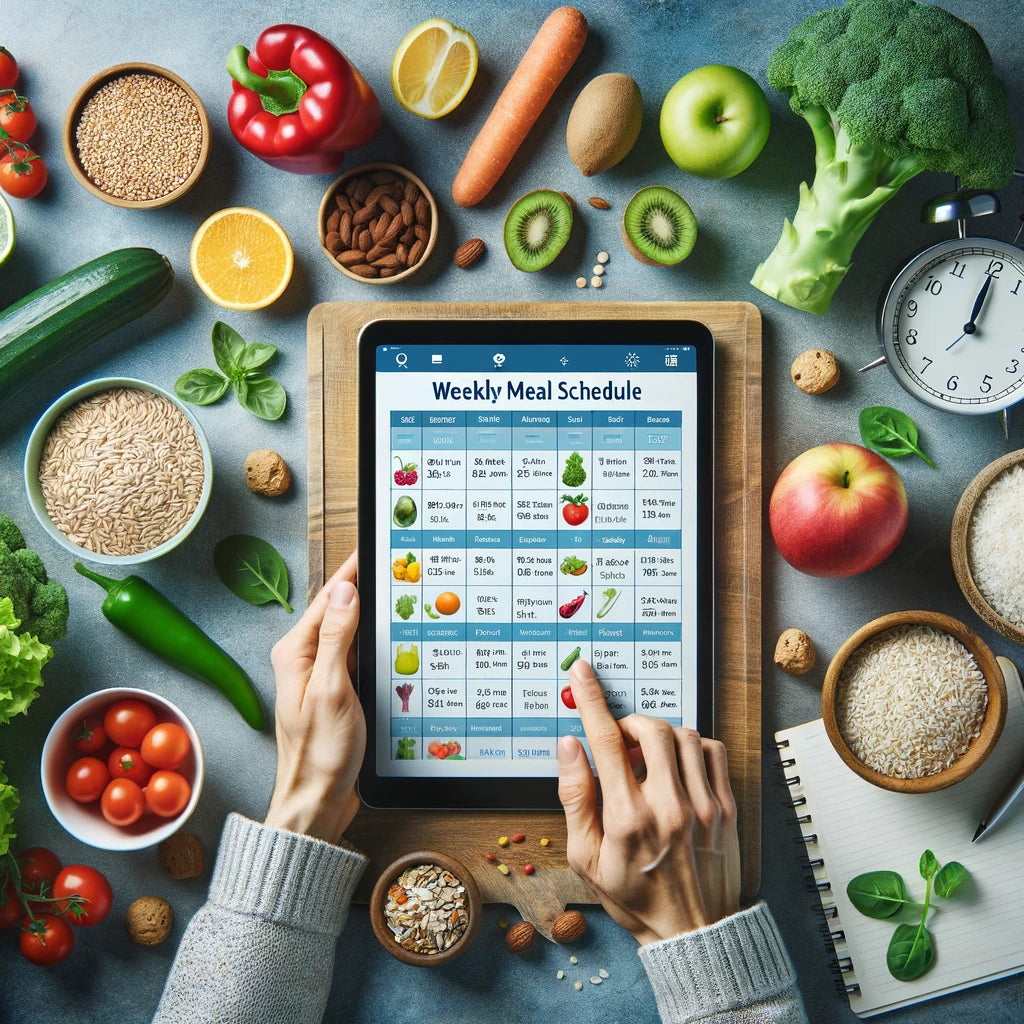
Setting Up a Strategic Food Plan
Introduction:
Embarking on a journey to better health often starts in the kitchen. A strategic food plan is your roadmap to healthier eating habits, providing structure and clarity to what can often be an overwhelming endeavor. This post will guide you through setting up a food plan that is not only nutritious but also fits into your lifestyle.
The Benefits of Meal Planning:
Meal planning is a powerful tool. It helps in making conscious food choices, managing portions, saving time and money, and reducing food waste. With a well-thought-out plan, you're less likely to resort to takeout or unhealthy snacks, making it easier to maintain a balanced diet.
Creating Your Meal Plan:
1. Assess Your Dietary Needs: Start by understanding your nutritional requirements based on your age, gender, activity level, and health goals.
2. Inventory Your Kitchen: Take stock of what you already have. This helps in minimizing waste and planning meals around existing ingredients.
3. Choose a Variety of Foods: Ensure your plan includes a range of foods to meet different nutritional needs - vegetables, fruits, proteins, whole grains, and healthy fats.
4. Plan for All Meals: Don't just focus on dinner. Plan for breakfast, lunch, snacks, and even beverages.
5. Be Realistic: Consider your schedule. If you have a busy week ahead, plan simpler meals or use time-saving strategies like batch cooking.
Implementing Your Plan:
- Shop with a List: Stick to your grocery list to avoid impulse buys.
- Prep in Advance: Consider prepping meals or ingredients ahead of time to save effort on busy days.
- Stay Flexible: Life is unpredictable. It’s okay to switch things around as needed.
Balancing Macronutrients:
A balanced meal includes carbohydrates, proteins, and fats in the right proportions. This balance keeps you full and energized throughout the day. Use tools like the MyPlate guide by the USDA as a reference for building balanced meals.
Conclusion:
A strategic food plan is not about strict dietary restrictions; it’s about making informed and mindful choices that support your health and wellbeing. With a little planning and creativity, you can transform your eating habits, enjoy a variety of delicious meals, and move closer to your health goals.
Embarking on a journey to better health often starts in the kitchen. A strategic food plan is your roadmap to healthier eating habits, providing structure and clarity to what can often be an overwhelming endeavor. This post will guide you through setting up a food plan that is not only nutritious but also fits into your lifestyle.
The Benefits of Meal Planning:
Meal planning is a powerful tool. It helps in making conscious food choices, managing portions, saving time and money, and reducing food waste. With a well-thought-out plan, you're less likely to resort to takeout or unhealthy snacks, making it easier to maintain a balanced diet.
Creating Your Meal Plan:
1. Assess Your Dietary Needs: Start by understanding your nutritional requirements based on your age, gender, activity level, and health goals.
2. Inventory Your Kitchen: Take stock of what you already have. This helps in minimizing waste and planning meals around existing ingredients.
3. Choose a Variety of Foods: Ensure your plan includes a range of foods to meet different nutritional needs - vegetables, fruits, proteins, whole grains, and healthy fats.
4. Plan for All Meals: Don't just focus on dinner. Plan for breakfast, lunch, snacks, and even beverages.
5. Be Realistic: Consider your schedule. If you have a busy week ahead, plan simpler meals or use time-saving strategies like batch cooking.
Implementing Your Plan:
- Shop with a List: Stick to your grocery list to avoid impulse buys.
- Prep in Advance: Consider prepping meals or ingredients ahead of time to save effort on busy days.
- Stay Flexible: Life is unpredictable. It’s okay to switch things around as needed.
Balancing Macronutrients:
A balanced meal includes carbohydrates, proteins, and fats in the right proportions. This balance keeps you full and energized throughout the day. Use tools like the MyPlate guide by the USDA as a reference for building balanced meals.
Conclusion:
A strategic food plan is not about strict dietary restrictions; it’s about making informed and mindful choices that support your health and wellbeing. With a little planning and creativity, you can transform your eating habits, enjoy a variety of delicious meals, and move closer to your health goals.

Importance of Good Nutrition for Overall Health and Wellbeing
Introduction:
Nutrition is more than just a buzzword; it's a foundational component of our health and wellbeing. This post explores the multifaceted role of nutrition in our lives, delving into how it impacts everything from our physical fitness to our mental sharpness.
Understanding Nutrition:
At its core, nutrition is about the nutrients we obtain from food, essential for the growth, repair, and functioning of our bodies. A balanced diet is key, one that includes a variety of nutrients: carbohydrates for energy, proteins for muscle repair, fats for brain health, and vitamins and minerals for a range of bodily functions.
Physical Health Benefits:
Good nutrition is critical for maintaining a healthy body weight, reducing the risk of chronic diseases like heart disease, diabetes, and certain cancers. It's not just about the foods we avoid, but those we embrace. A diet rich in fruits, vegetables, whole grains, lean proteins, and healthy fats can boost our immune system, improve our cardiovascular health, and support muscle and bone strength.
Mental and Emotional Wellbeing:
The impact of nutrition goes beyond the physical. There's a growing body of research linking diet to mental health. Nutrient-dense foods can elevate mood, improve cognitive function, and reduce the risk of conditions like depression and anxiety. Foods high in omega-3 fatty acids, for instance, are known to enhance brain health.
Tips for Improving Nutrition:
- Diversify Your Plate: Aim for a colorful plate filled with a variety of fruits and vegetables. Each color represents different nutrients, so the more variety, the better.
- Balance is Key: Instead of extreme dieting, focus on moderation and balance. Include all food groups to ensure a well-rounded intake of nutrients.
- Plan Your Meals: Meal planning can help you make healthier choices and avoid impulsive eating.
- Stay Hydrated: Water plays a crucial role in our bodily functions, so ensure you're drinking enough throughout the day.
Conclusion:
Embracing good nutrition is a journey, not a destination. It's about making conscious food choices that nourish our bodies and minds. By understanding and applying the principles of good nutrition, we can lay the foundation for a healthier, happier life.
Nutrition is more than just a buzzword; it's a foundational component of our health and wellbeing. This post explores the multifaceted role of nutrition in our lives, delving into how it impacts everything from our physical fitness to our mental sharpness.
Understanding Nutrition:
At its core, nutrition is about the nutrients we obtain from food, essential for the growth, repair, and functioning of our bodies. A balanced diet is key, one that includes a variety of nutrients: carbohydrates for energy, proteins for muscle repair, fats for brain health, and vitamins and minerals for a range of bodily functions.
Physical Health Benefits:
Good nutrition is critical for maintaining a healthy body weight, reducing the risk of chronic diseases like heart disease, diabetes, and certain cancers. It's not just about the foods we avoid, but those we embrace. A diet rich in fruits, vegetables, whole grains, lean proteins, and healthy fats can boost our immune system, improve our cardiovascular health, and support muscle and bone strength.
Mental and Emotional Wellbeing:
The impact of nutrition goes beyond the physical. There's a growing body of research linking diet to mental health. Nutrient-dense foods can elevate mood, improve cognitive function, and reduce the risk of conditions like depression and anxiety. Foods high in omega-3 fatty acids, for instance, are known to enhance brain health.
Tips for Improving Nutrition:
- Diversify Your Plate: Aim for a colorful plate filled with a variety of fruits and vegetables. Each color represents different nutrients, so the more variety, the better.
- Balance is Key: Instead of extreme dieting, focus on moderation and balance. Include all food groups to ensure a well-rounded intake of nutrients.
- Plan Your Meals: Meal planning can help you make healthier choices and avoid impulsive eating.
- Stay Hydrated: Water plays a crucial role in our bodily functions, so ensure you're drinking enough throughout the day.
Conclusion:
Embracing good nutrition is a journey, not a destination. It's about making conscious food choices that nourish our bodies and minds. By understanding and applying the principles of good nutrition, we can lay the foundation for a healthier, happier life.